



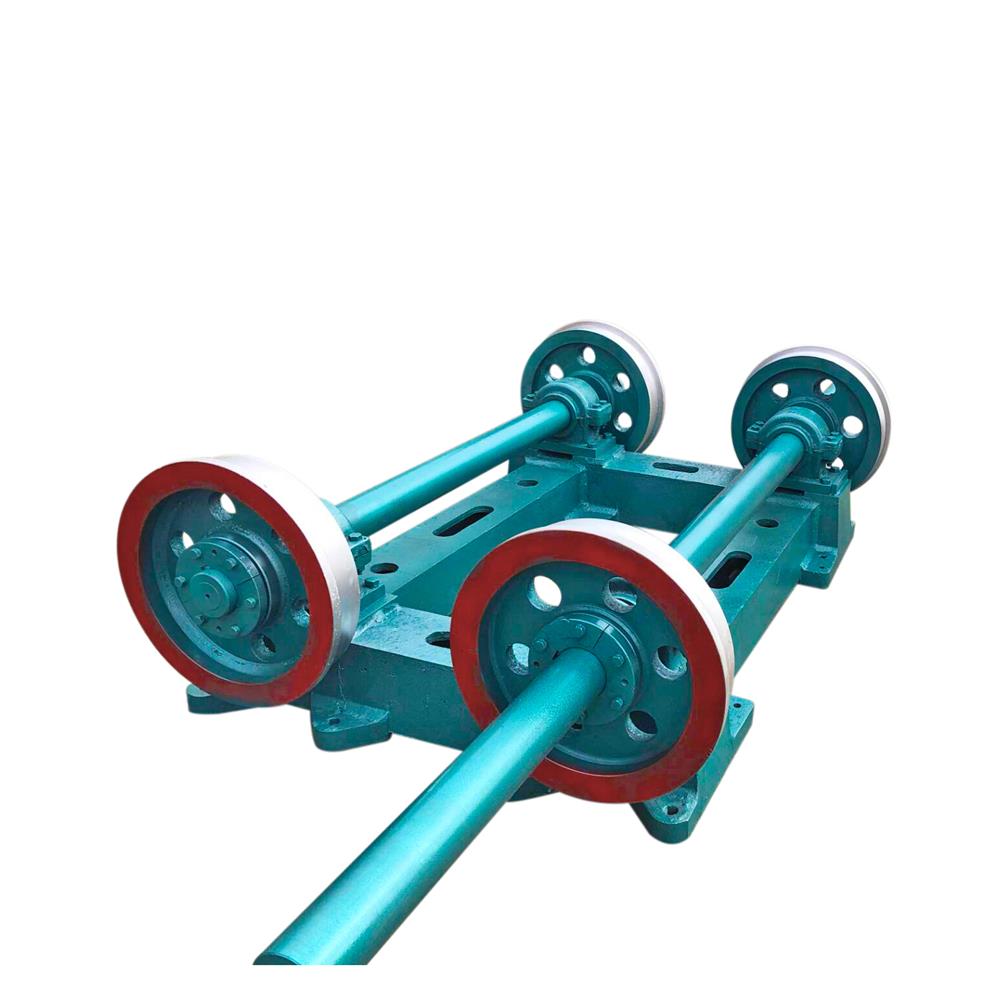
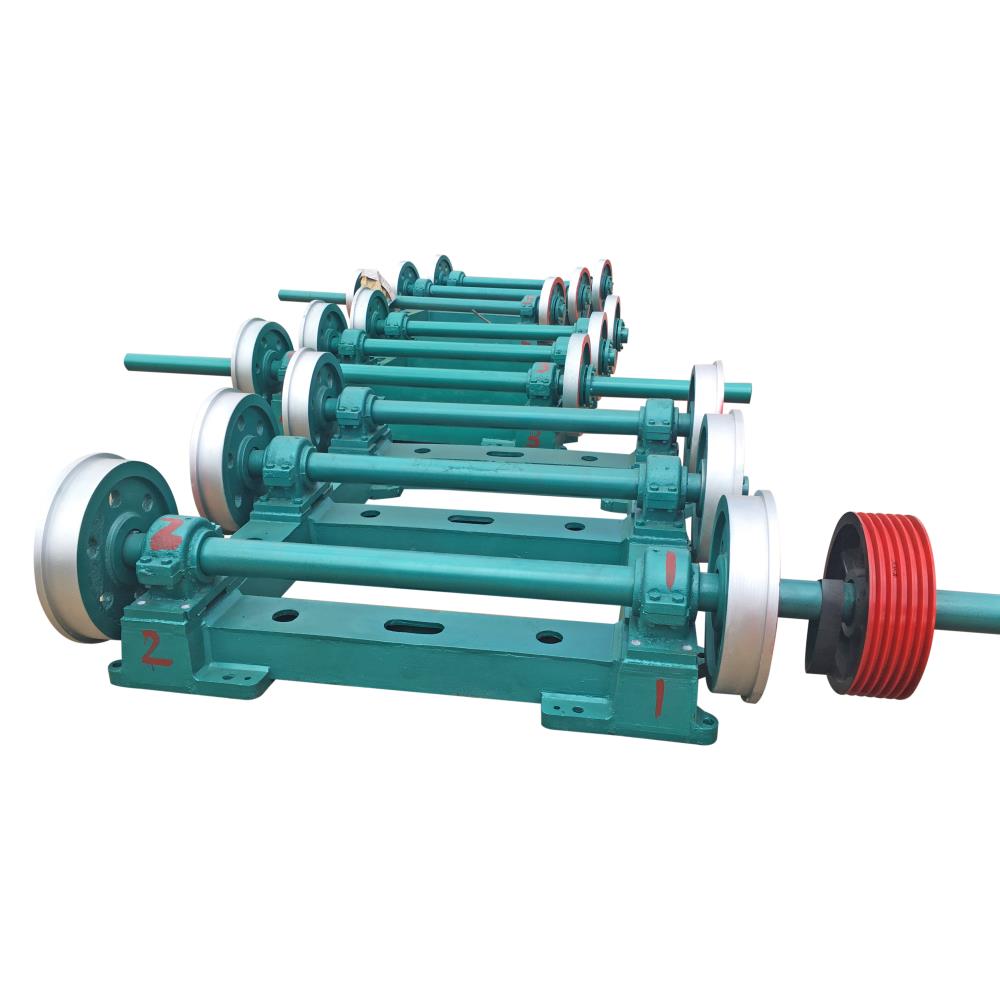
China Concrete Pole Spinning Machine - Leading Suppliers & Factory for Centrifugal Molding Solutions
Main Features
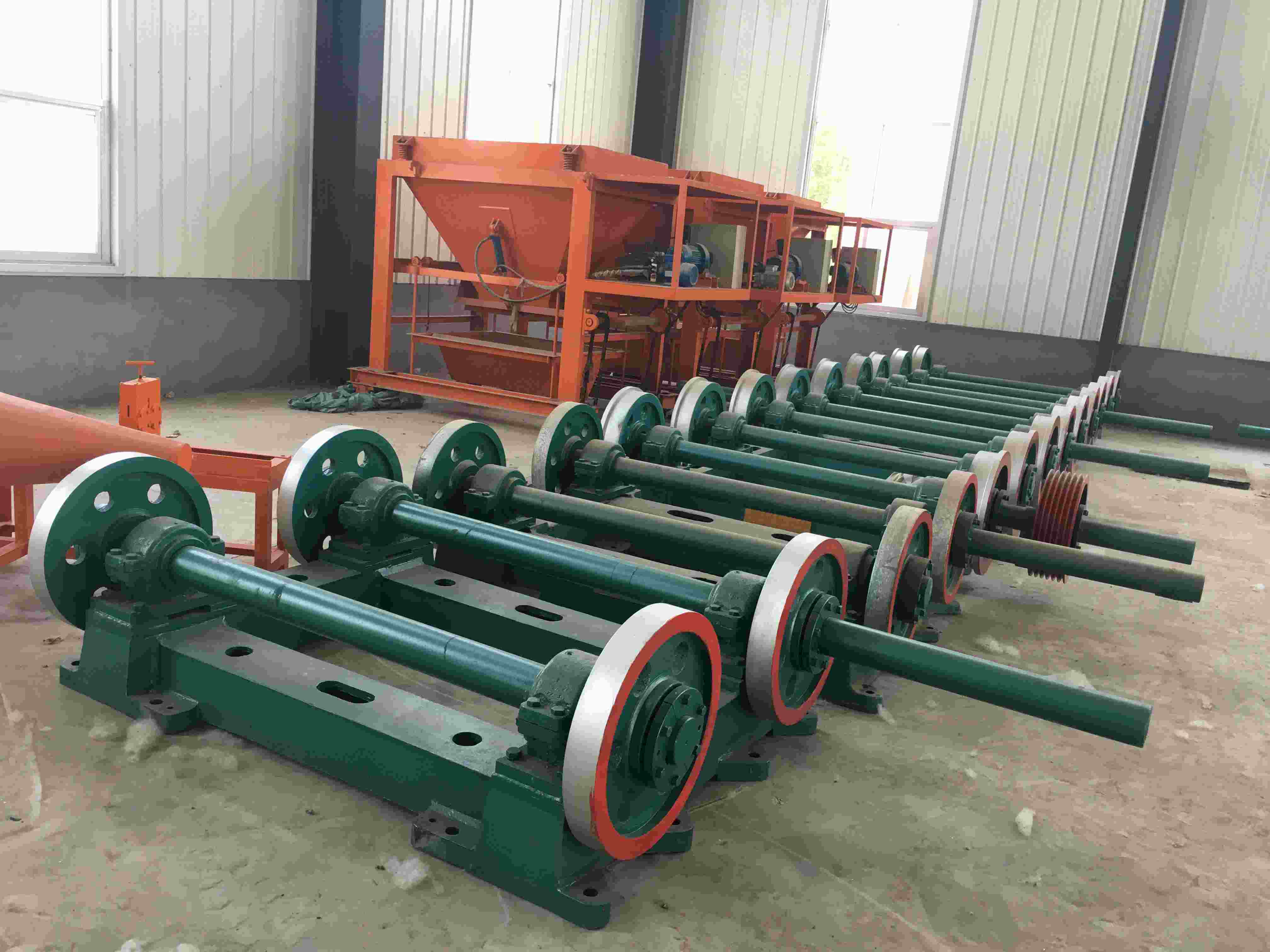
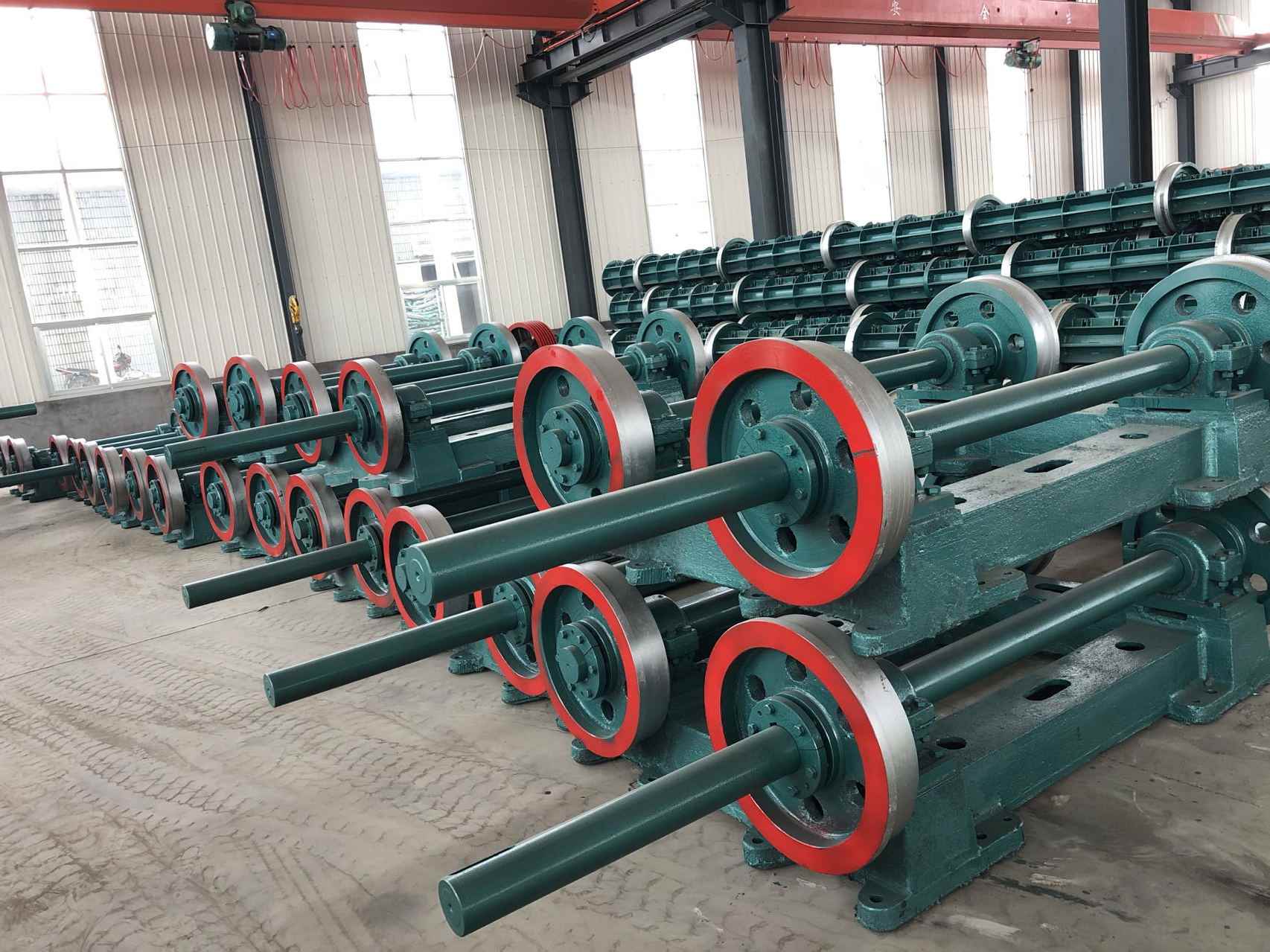
Q1: Why is careful clamping of the joint important for mold running wheels?
Imprecise clamping can result in the mold not being straight. This accumulation causes mold beat, which significantly intensifies wear and damage to both the centrifuge roller and the die during production.
Q2: What are the risks of centrifuge base wheel shift?
A wheel shift negatively affects the service life of the mold running wheel. In severe cases, it can cause the mold to fly off, which is why it requires high attention and regular monitoring.
Q3: How does the centrifuge rotate the mold?
The centrifuge is driven by a motor drive shaft that rotates the centrifugal active wheel. The friction generated by the active wheel touching the mold running wheel drives the entire mold to rotate.
Q4: What happens to the concrete during mold rotation?
Under centrifugal force, the concrete is uniformly distributed along the mold's inner wall. As it passes through low, medium, and high-speed stages, it becomes close-grained and effectively combines with steel to form a reinforced pole.
Q5: Why is the roundness and straightness of the mold running wheel axis crucial?
Because the centrifuge relies on the mold's center line as its axis of rotation to generate centrifugal force, maintaining perfect roundness and straightness ensures uniform concrete distribution and proper centrifugal molding.